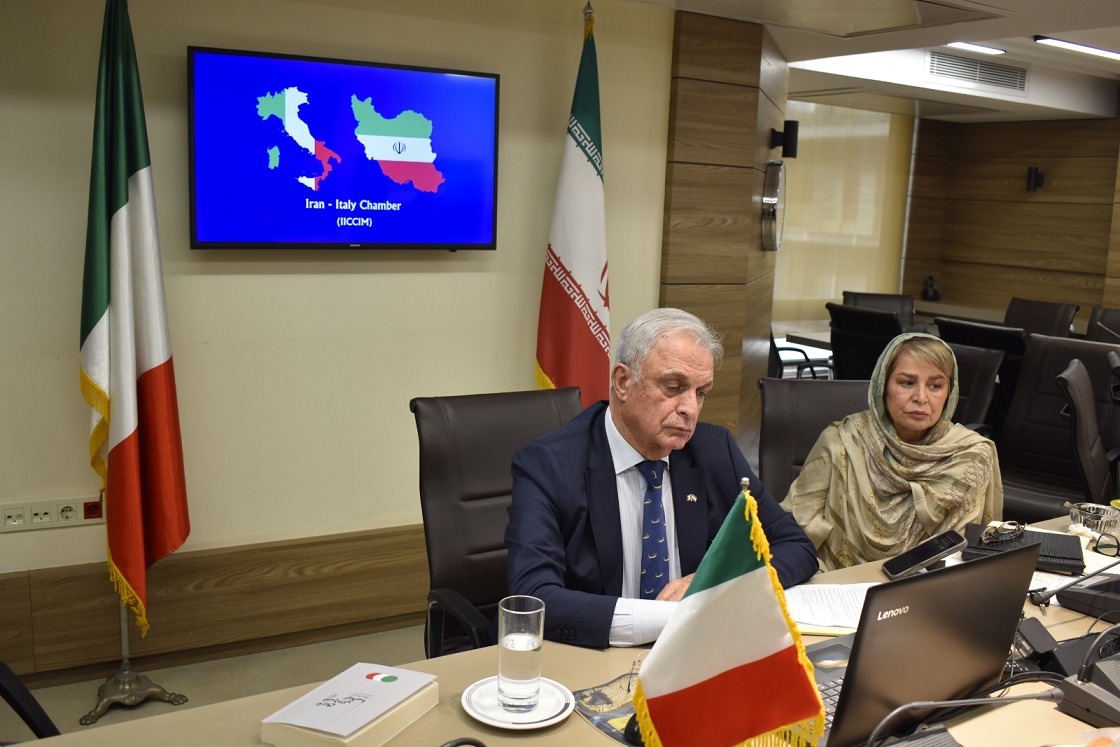
در تاریخ 05 آذرماه 1404 سفارت ایتالیا و بخش توسعه بازرگانی آن (ITA)، وبینار تخصصی تجهیزات پزشکی و دارو را با همکاری بخش دارویی کنفیندوستریا ایتالیا، بخش فاینانس در ایتالیا و دو بانک (Popolare di Sandrio) ،رییس هیات مدیره سندیکای داروهای انسانی و تعدادی از وکلا و بخش دارویی کشور ایتالیا و دبیرکل اتاق ایتالیا ایران در “رم”، برگزار و در این راستا از ریاست اتاق ایران و ایتالیا نیز جهت سخنرانی دعوت بعمل آمد.
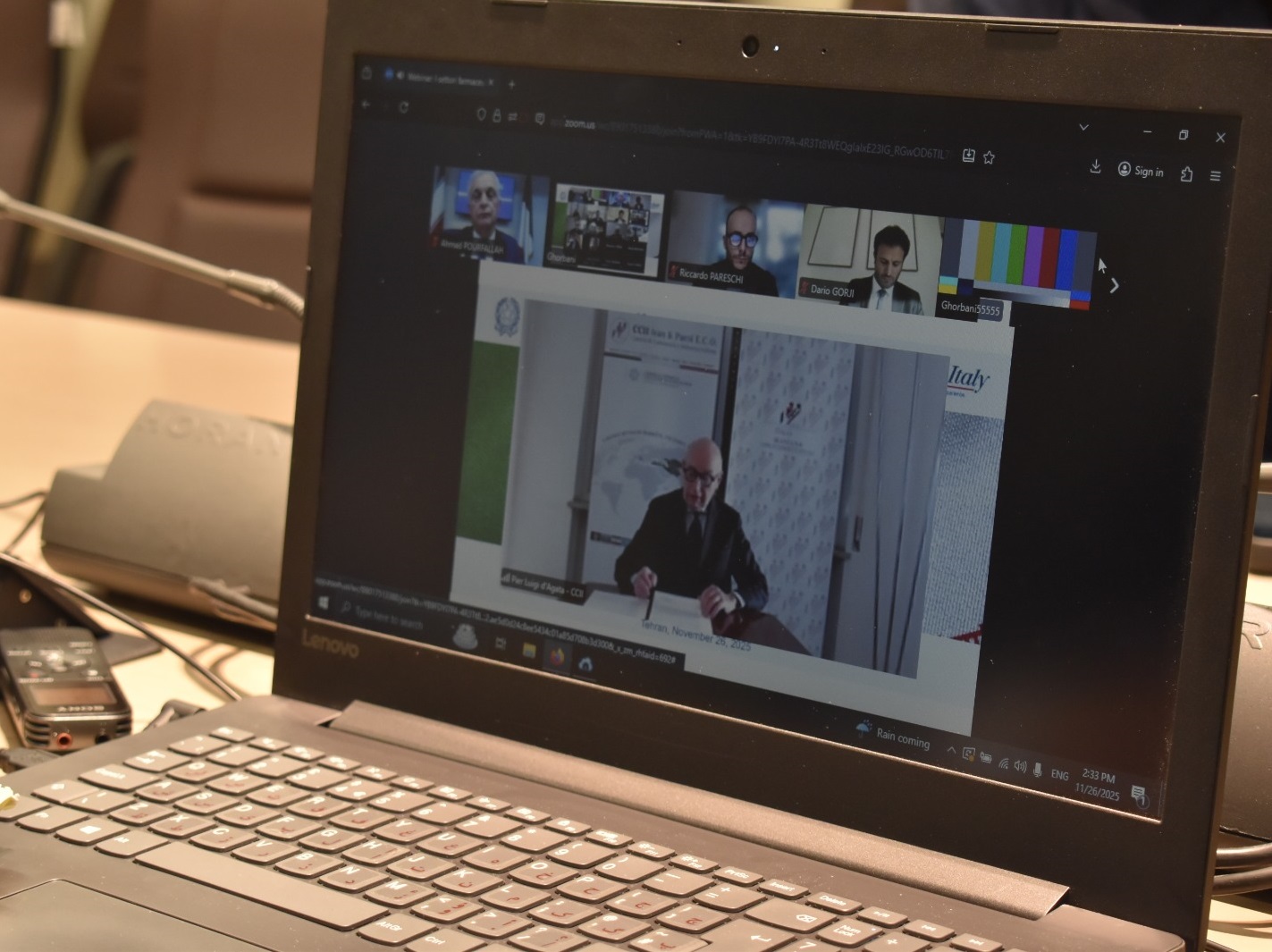
در این وبینار از مشکلات ارسال وجوه در بخش دارویی، مشکلات حقوقی مربوط به همکاری فعالان این رشته، میزان کاهش واردات و صادرات دارو، معضل Snapback در سال 2025 و 2026 و راهکارهای ممکن صحبت شد.
همچنین آقای مهندس پورفلاح در ارتباط با همکاریهای میان دو کشور ایران و ایتالیا و سابقه همکاری میان دوکشور و خرید ماشینآلات و spare part از ایتالیا سخنانی ارائه نمود.
متن سخنرانی آقای مهندس پورفلاح:
Your Excellency Madam Ambassador, esteemed webinar host and distinguished guests,
The Iran-Italy Chamber began to work before the 1979 Revolution with the aim of expanding the level of bilateral trade relations. During this period over 6,000 members have joined this leading and strong chamber and today this Chamber is regarded as the credible and most trusted reference for Iranian and Italian business persons.
It is evident that the members of this Chamber include both small and large companies, across all, production, service, industrial and agricultural sectors.
At present, the Iran-Italy chamber has 74 active member companies, in the fields of medicine and medical equipment and the infrastructure and machinery of most of these factories are made in Italy.
85% of them import raw materials, with almost forty percent of medicines supplied from Italy. In recent years, some of these Iranian companies have also succeeded in producing medicines and raw materials locally.
Over the past week, my colleagues and I engaged with several companies to access the key barriers limiting commercial cooperation between two countries.
The monitored barriers include:
– The lack of cooperation from Italian companies in selling spare parts;
– Difficulties in obtaining visas;
– Challenges in money transfers;
– The lack of bank cooperation;
– The necessity of channelling activities through third countries which leads to a significant increase in final costs;
Considering that medicines and medical equipment are critical to public health and have never been sanctioned and buying and supplying are necessary for saving human lives, I strongly call for the policymakers of both countries to take all feasible steps to lift these barriers.
Such action clearly represents a meaningful move toward the protection of human rights.
In closing, I would like to thank the organizers of this webinar for their efforts in delivering such a high quality and excellent event.
With most respect and appreciation.